The Fascinating World of Retro Computers: A Collector's Journey

The Allure of Vintage Machines
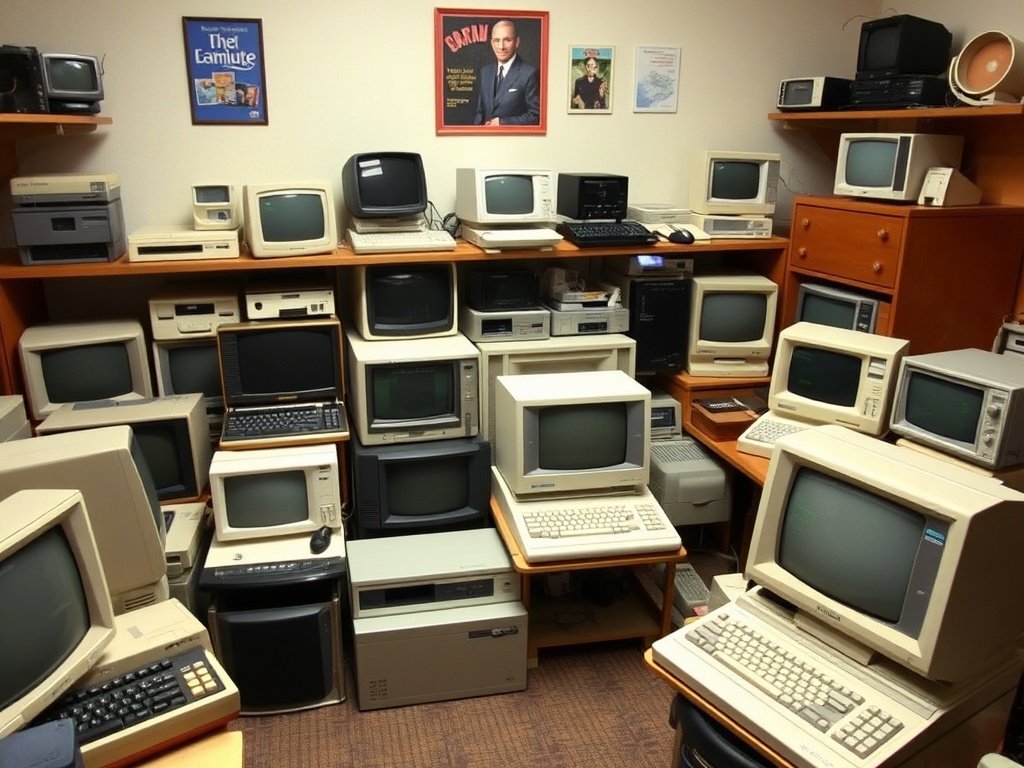
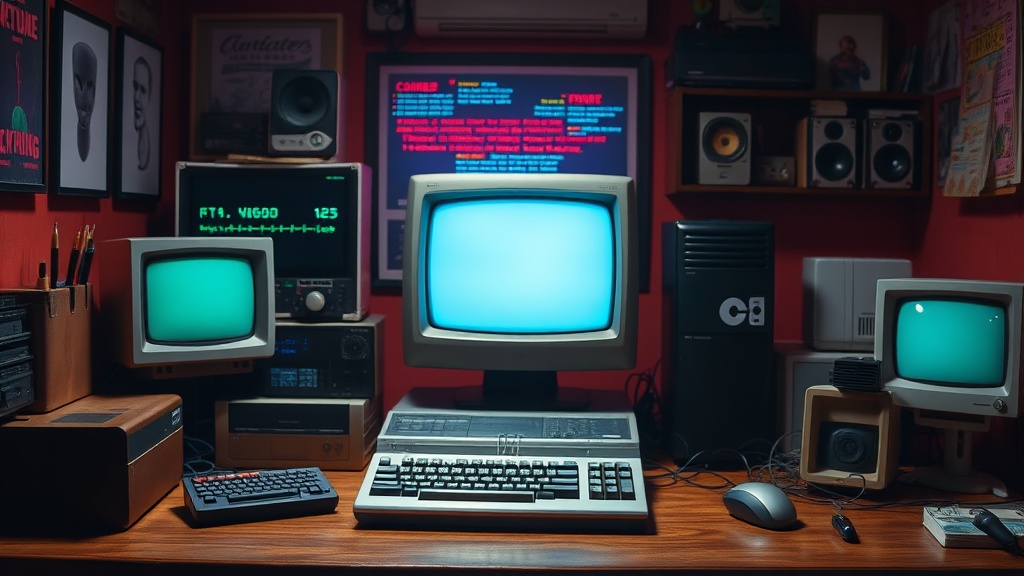
For many, the allure of vintage computers is undeniable. Whether it's the mechanical clack of a keyboard, the grainy charm of CRT monitors, or the retro aesthetics of early computer designs, these machines bring nostalgia and wonder to collectors worldwide. A retro computer is more than just a device—it's a piece of history that represents a significant chapter in technology.
The Golden Era: 1970s-1980s
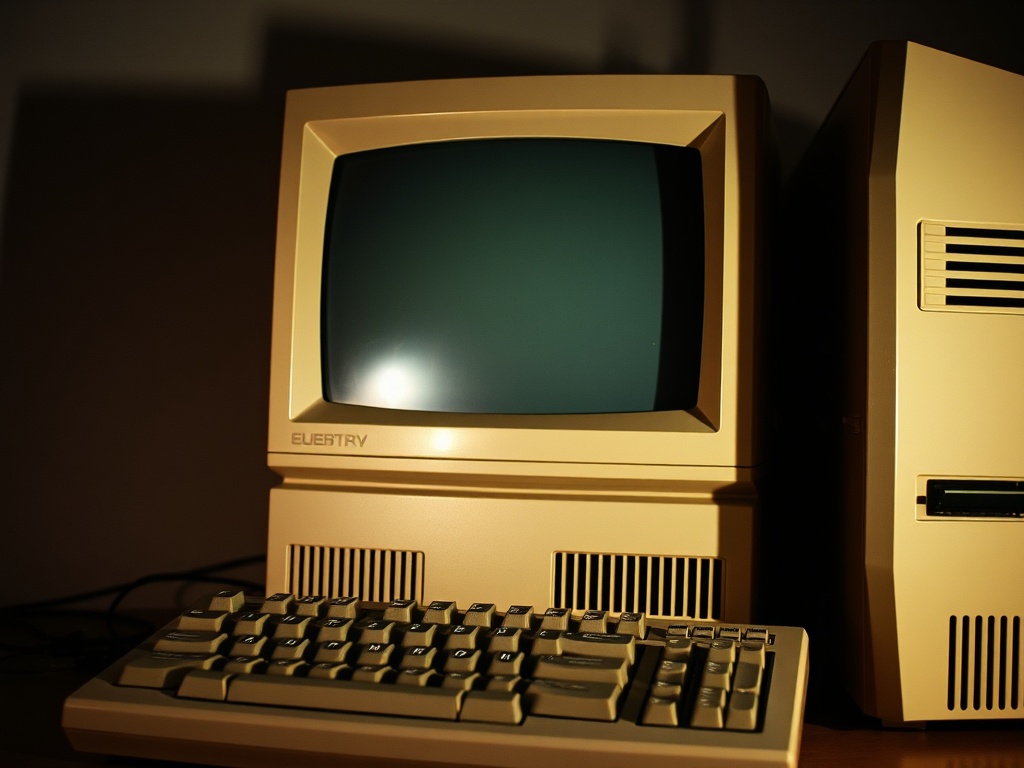
The golden era of retro computers spans the late 1970s to the 1980s. This period saw the advent of personal computing, with iconic machines like the Apple II, the Commodore 64, and the IBM PC revolutionizing the way people interacted with technology. These systems were the foundation of the computing world we know today, and their significance can still be seen in modern computing designs.
Collectors are often drawn to the unique characteristics of these early machines. The simple yet elegant designs, combined with their historic value, make them highly sought after in the world of retro computing.
The Evolution of the Home Computer
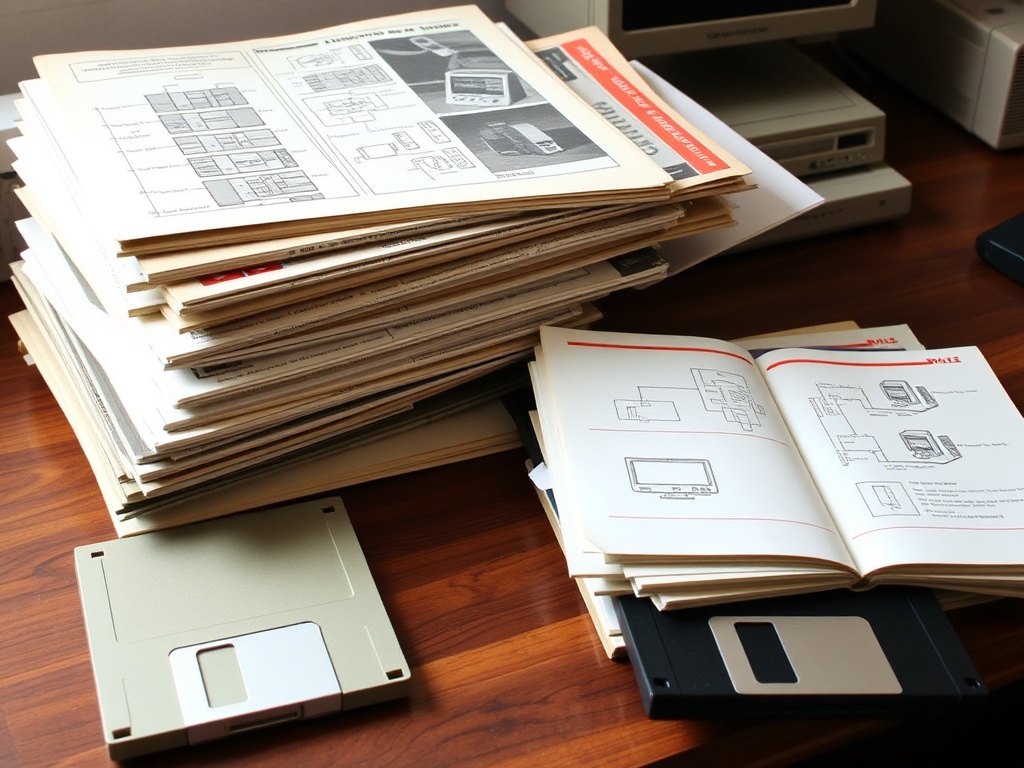
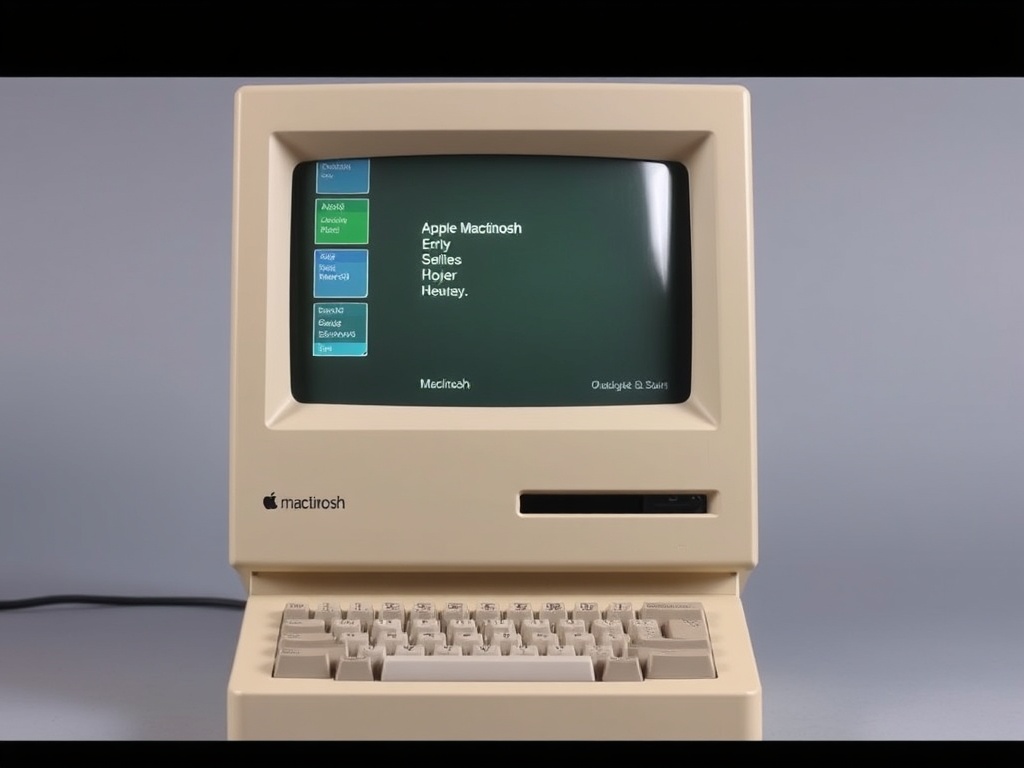
The evolution of the home computer throughout the 80s marked a shift from basic machines designed for professionals to more accessible systems aimed at families and hobbyists. The Apple Macintosh, introduced in 1984, was one of the first computers to feature a graphical user interface (GUI), a significant leap forward from the command-line interfaces used in previous machines.
This innovation brought a new level of usability to computing, allowing even those with no technical background to interact with computers effectively. For collectors, finding a fully functioning Macintosh 128K or Mac Plus can be a thrilling achievement, as these machines paved the way for modern computing interfaces.
The Collecting Craze: What Makes Retro Computers Valuable?
As with any collectible, the value of a retro computer is determined by several factors: rarity, condition, historical significance, and demand. Some machines, such as the Commodore 64, are relatively common and affordable, while others, like the NeXT Computer or a 1980s Cray Supercomputer, are exceedingly rare and can fetch astronomical prices at auctions.
The condition of the machine also plays a critical role. A working machine in pristine condition, complete with its original packaging and accessories, can significantly increase its value. For collectors, restoring these machines to their original working states is a labor of love, as it preserves their history and functionality.
Restoring and Preserving Vintage Computers
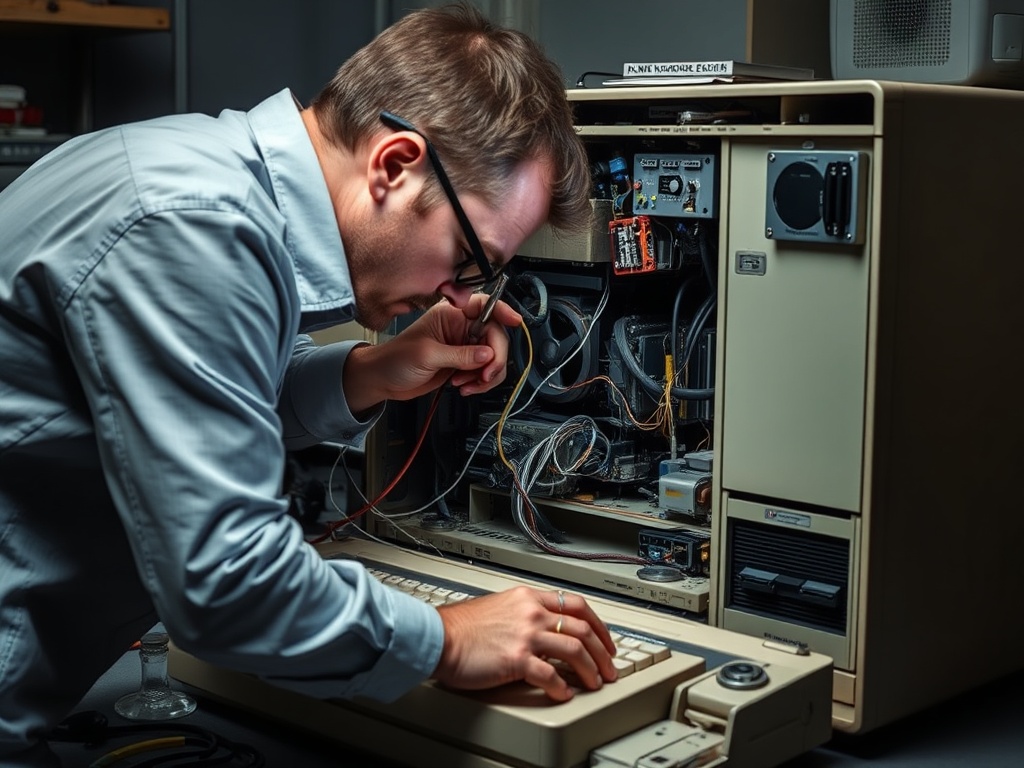
Restoring vintage computers is an art form that requires patience and precision. Many of these machines were built with now-obsolete components, making repairs a challenge. However, with the growing interest in retro computing, a robust community of enthusiasts and specialists has emerged, helping to restore and preserve these relics of the past.
Restorations can include tasks such as replacing old capacitors, repairing CRT monitors, and even recreating custom hardware. These restorations help ensure that these computers continue to work and can be displayed for generations to come. For collectors, the process of finding replacement parts and getting a vintage machine back to its original state is often as rewarding as the hunt itself.
Where to Find Retro Computers
Finding retro computers can be an exciting and rewarding endeavor. Many collectors scour local flea markets, estate sales, and online auction sites like eBay for rare finds. However, some vintage computers can be found in unexpected places—like old warehouses or from retired tech professionals who worked in the industry during its early days.
Online communities and forums dedicated to retro computing can also be a great resource for finding rare machines and getting advice on their restoration. Enthusiasts often share tips on where to find parts or how to troubleshoot common issues.
The Future of Retro Computing
As technology continues to advance, the world of retro computing will remain an important part of the tech community. The preservation of these machines and their stories helps future generations understand where modern computing began. Whether it's the joy of collecting, the thrill of restoration, or simply the love of nostalgia, retro computers will continue to inspire and captivate collectors and enthusiasts for years to come.