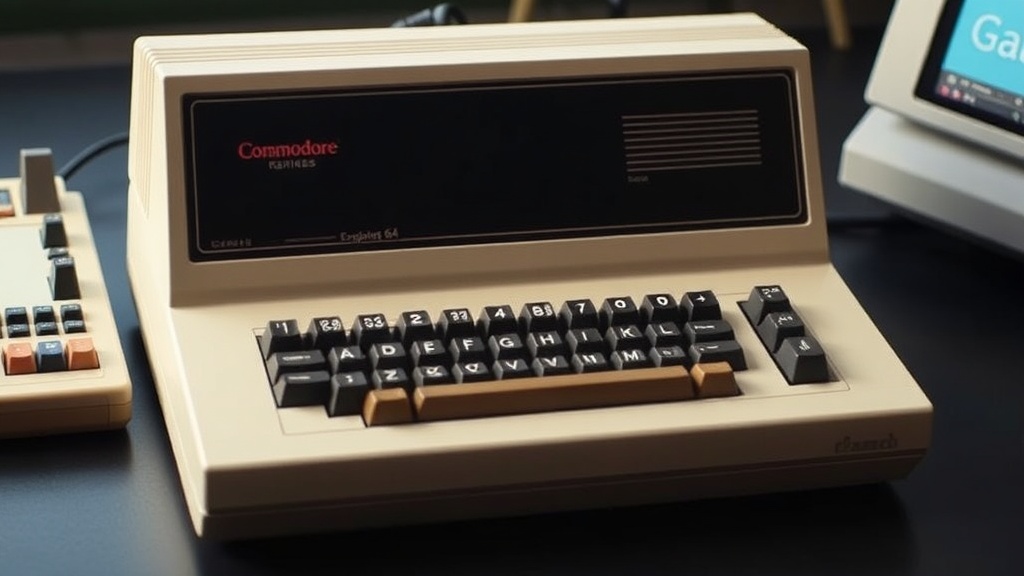
The Commodore 64: Why This 1982 Legend Still Dominates Vintage Computing

The Commodore 64 isn't just another vintage computer—it's the machine that defined home computing for an entire generation and remains the most sought-after retro system on the collector's market today. This post breaks down what makes the C64 special, why prices keep climbing, and how to start a collection without getting burned by inflated eBay listings or dead hardware.
What Made the Commodore 64 So Popular in the First Place?
In 1982, Commodore International released a computer that would sell somewhere between 12.5 and 17 million units—nobody knows the exact number, but everyone agrees it dominated the 8-bit era. Jack Tramiel, Commodore's famously aggressive founder, priced the machine at $595 (about $1,900 in today's money). That undercut the Apple IIe by hundreds of dollars while delivering superior sound and graphics capabilities.
The SID chip—that legendary sound synthesizer—gave the C64 capabilities no competitor could touch. Three voices, four waveforms, ring modulation, and a filter that sounded nothing like the tinny beeps coming from other machines. Composers like Rob Hubbard and Ben Daglish pushed this chip to its absolute limits, creating game soundtracks that people still listen to four decades later.
Graphics weren't shabby either. The VIC-II chip delivered 16 colors (more in certain modes), hardware scrolling, and sprite capabilities that made games like Impossible Mission and M.U.L.E. visually distinctive. Developers loved the machine because they could squeeze performance out of it that seemed impossible on paper.
Here's the thing about success, though—it wasn't just technical specs. Commodore sold the C64 everywhere. Department stores. Toy stores. Mail-order catalogs. You didn't need a computer shop or a friendly nerd to guide you. The machine came with a thick manual (remember those?), a BASIC interpreter ready to go, and the implicit promise that you could learn to program it.
How Much Should You Expect to Pay for a Commodore 64 Today?
A working Commodore 64 system in good cosmetic condition typically runs between $150 and $300, though pristine units in original boxes can fetch $500 or more. The catch? "Working" means different things to different sellers.
Prices have climbed steadily since 2015, driven by YouTube retro-computing channels, the C64.com preservation community, and a generation of Gen-X collectors with disposable income. The pandemic accelerated everything—suddenly everyone wanted a piece of their childhood.
| Item | Price Range (USD) | What to Watch For |
|---|---|---|
| Commodore 64 (breadbin) | $150–$250 | Yellowing, cracked case, working keyboard |
| Commodore 64C | $120–$200 | Newer model, easier RF shield removal |
| 1541 Disk Drive | $80–$150 | Alignment issues common; test before buying |
| Commodore 1702 Monitor | $200–$400 | CRT wear, convergence problems |
| Original Power Supply | $30–$60 | Failure-prone; modern replacements safer |
| Boxed Software (common titles) | $20–$100 | Disk rot, manual condition varies |
Worth noting—shipping vintage computers is risky business. CRT monitors especially. If you're near Burlington, Vermont (or anywhere with an active retro computing scene), hunt local first. Estate sales, Facebook Marketplace, and retro computing meetups beat eBay every time. You'll inspect the hardware, shake hands with the seller, and skip the nightmare of a 30-year-old computer bouncing around in a UPS truck.
Which C64 Games and Accessories Are Actually Worth Collecting?
Not everything with a Commodore label deserves shelf space. The C64 software library exceeds 10,000 titles—a staggering number that includes genuine masterpieces and mountains of unplayable garbage.
Start with the classics that defined the platform. The Bard's Tale (Interplay, 1985) delivered dungeon-crawling depth that rivaled tabletop D&D sessions. Ultima IV: Quest of the Avatar—Richard Garriott's morality-driven RPG—remains influential today. For action, Turrican (Factor 5, 1990) pushed the hardware so hard that other developers didn't believe the demo was real.
But here's where collecting gets interesting. Some of the most valuable C64 titles aren't the best games—they're the rarest. Maniac Mansion in its original Lucasfilm Games "fold-out" box? That's $200+ if complete. Zak McKracken and the Alien Mindbenders with all feelies intact? Similar money. These point-and-click adventures from Lucasfilm (before they became LucasArts) pioneered the SCUMM engine and still play beautifully.
For hardware collectors, the Quickshot II joystick—that distinctive red stick everyone remembers—sells for nostalgia prices despite being objectively terrible for precision gaming. The KoalaPad tablet (yes, a graphics tablet for the C64 in 1984) fetches $100–$200 and actually works with modern touch styluses if you're patient.
That said, modern solutions often outperform vintage gear. The Pi1541—a Raspberry Pi-based disk drive emulator—loads programs instantly from SD card, sparing those fragile 5.25" floppies from further wear. Purists might scoff, but serious collectors use these tools to preserve original media while still enjoying the software.
Essential Upgrades for Actual Use
If you're buying a C64 to use rather than display, budget for these modifications:
- Modern power supply: The original "brick of death" can overvoltage and fry your precious computer. Ray Carlsen's designs or similar modern replacements are non-negotiable insurance.
- Video output solution: The 1702 monitor looks authentic but takes up desk space. The Lumafix or similar S-video mods deliver cleaner output to modern displays.
- SD card storage: Pi1541, SD2IEC, or Turbo Chameleon 64—these eliminate the 1541's grinding, slow mechanical misery.
- Keycap restoration: Retrobright (or the safer 12% hydrogen peroxide method) can restore yellowed cases. It's messy but effective.
Where Does the Commodore 64 Fit in Today's Retro Computing Scene?
The C64 community is absurdly active for a 40-year-old platform. New games release monthly—yes, new games developed on original hardware or modern cross-assemblers. The C64 Scene Database tracks thousands of recent releases, from 4KB mini-games to sprawling RPGs that would have been commercial hits in 1985.
Demos remain the beating heart of C64 culture. These aren't game demos—they're pure technical showcases where programmers, musicians, and graphic artists collaborate to push the machine past documented limits. Watching a modern demo like "Edge of Disgrace" (2008) or "Comaland" (2015) on real hardware is genuinely jaw-dropping. The sprites, the scrolling, the sound—it's impossible until you see it.
Events like Revision (held annually in Germany) and smaller parties like X in the Netherlands keep the scene connected. Burlington doesn't have a dedicated C64 meetup, but the broader Northeast retro computing community—connecting through forums and occasional vintage computer festivals—welcomes newcomers with working hardware.
The educational angle matters too. Learning 6502 assembly on a C64 teaches computing fundamentals that abstract modern environments hide. Memory mapping, raster interrupts, direct hardware control—you'll understand computers differently after writing a sprite multiplexing routine at 1MHz.
Preservation Challenges
Physical media degrades. Magnetic disks lose their charge. Capacitors leak corrosive fluid onto circuit boards. The C64's power switch—remember that satisfying thunk?—often needs cleaning or replacement.
Collectors face real ethical questions. Do you open sealed software to dump it for preservation? (Yes. The Internet Archive's C64 collection depends on this.) Do you modify vintage hardware with modern replacements, or keep it "factory"? (Your machine—your rules, thoughfunctionality usually wins.)
The modern retro computing market has its share of opportunists too. Reproduction cartridges, "new old stock" claims that aren't, and eBay sellers who "untested" their way out of refund obligations. Build relationships with reputable dealers. The forums at Lemon64.com offer seller feedback and buying advice from people who've been collecting since the 1990s.
Is the Commodore 64 worth your time and money? For collectors who value historical significance, technical craftsmanship, and a community that spans generations—absolutely. You'll spend weekends troubleshooting 35-year-old floppy drives. You'll learn more about video signals than you ever wanted. And occasionally, you'll load Impossible Mission, hear that sampled "Stay a while... stay forever," and remember why this beige breadbin deserves its legendary status.
Start small. Buy a working C64 with a modern power supply. Grab an SD card solution instead of hunting rare floppies. Join the forums, ask questions, and ignore anyone who treats vintage computing like a competition. The goal isn't building the biggest collection—it's understanding the machine that introduced millions to digital creativity. That's worth more than any eBay score.